
How to Plan a Company Dinner That Feels Worth Attending
A company dinner should feel like more than another obligation on the calendar. Whether you are celebrating a milestone, thanking employees, welcoming new team members, or gathering colleagues for the holidays, thoughtful planning matters. The goal is to create an evening where people feel comfortable, appreciated, and genuinely glad they came.
Plan a company dinner that feels worth attending by defining a clear purpose, choosing a comfortable space, sharing useful invitation details, and keeping speeches focused. Offer an inclusive menu, allow time for genuine conversation, and coordinate room setup, service, and event flow so guests feel appreciated and their time is respected.
Begin With a Clear Reason for Gathering
Before choosing a room or menu, decide what the dinner is meant to accomplish. A year-end celebration may focus on gratitude and team spirit. An awards dinner may need time for recognition, while a client event may call for a more polished atmosphere.
Write the purpose in one sentence and use it to guide each decision. This prevents the evening from becoming a mix of speeches, activities, and decorations that do not work together.
Choose a Space That Fits the Group
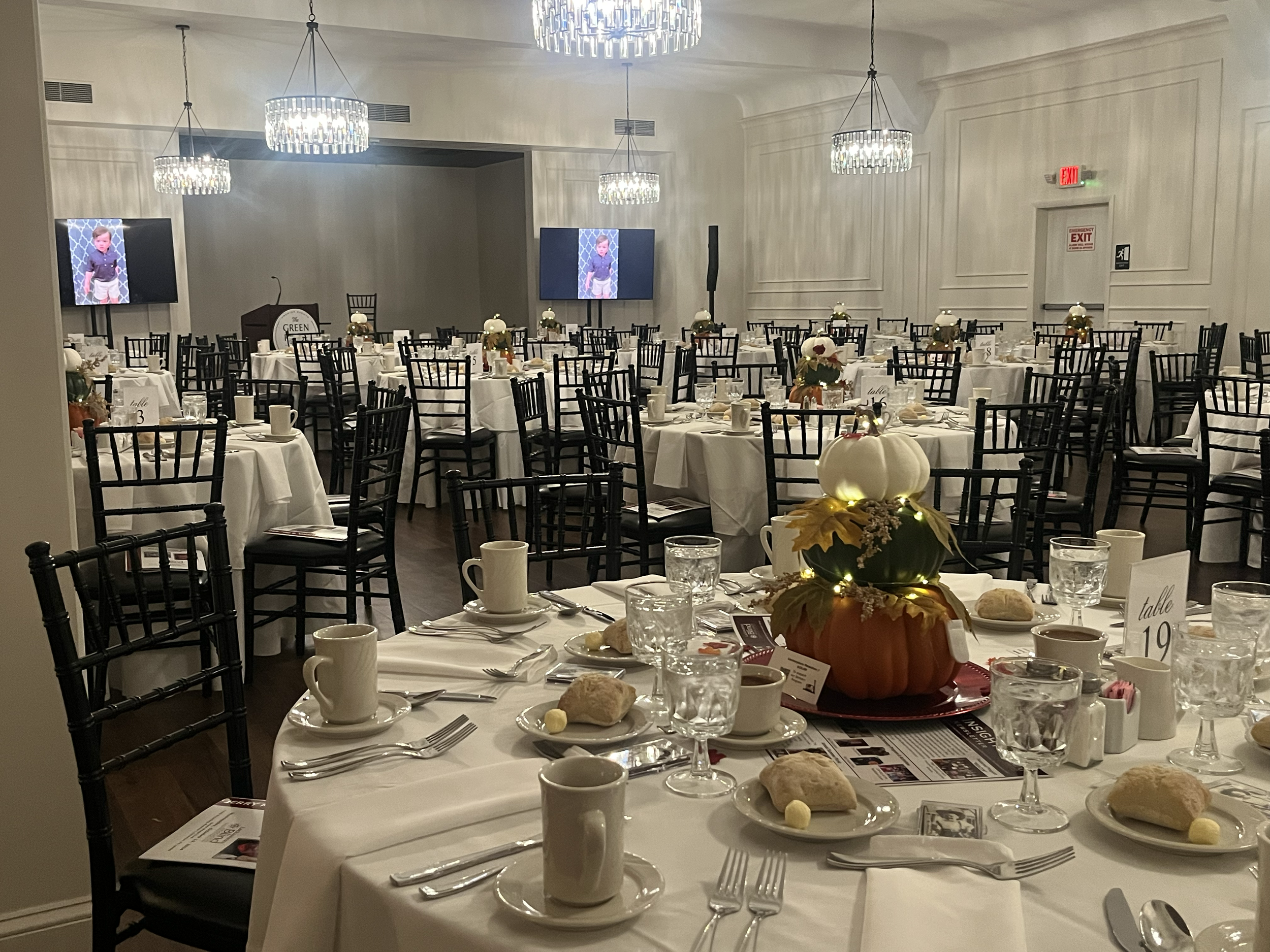
The room should suit both the guest count and the way people will spend the evening. A space that is too large can feel disconnected, while a crowded setup can make conversation difficult.
Ask how tables will be arranged, whether guests can see speakers clearly, and where a DJ, presentation, or awards area would be placed. A neutral setting can also make it easier to add company colors, signs, photographs, or seasonal details.
The Green Ridge Club hosts corporate events in Scranton in fully indoor spaces and includes an Event Director who can assist with room planning, setup, menu selection, and event details.
Make the Invitation Useful and Welcoming
An invitation should explain why the dinner is happening and what guests can expect. Include the date, start time, dress code, guest policy, and whether the evening will feature dinner, awards, entertainment, or a short presentation.
The wording should feel inviting rather than compulsory. When attendance is optional, make that clear. Give employees enough notice to plan around family responsibilities and other commitments.
Keep the Formal Program Focused
Speeches and presentations can give a company dinner meaning, but they should not take over the night. Guests are more likely to stay engaged when remarks are brief, specific, and connected to the reason for gathering.
Thank the team, share an important milestone, or recognize individual contributions without repeating information from regular meetings. When presenting awards, explain what each person or group did and why it mattered.
Avoid using a rigid minute-by-minute schedule from a generic template. The flow should reflect the guest count, meal service, speakers, and entertainment while leaving room for people to eat and talk.
Plan a Menu That Includes Everyone
Ask about allergies, vegetarian preferences, and other dietary needs before finalizing the menu. Guests should feel considered without having to call attention to their requirements at the table.
Match the meal to the tone of the evening. A plated dinner may suit an awards night or formal celebration, while another service style may work for a more relaxed gathering.
At The Green Ridge Club, food is prepared by the in-house culinary team, and any bar service is handled by the venue. Companies can review menu, beverage, and service options with the Event Director.
Create Time for Real Conversation
A company dinner becomes more valuable when people can connect outside their usual roles. Thoughtful seating can introduce colleagues who rarely work together without making the evening feel like a forced networking exercise.
Simple conversation prompts, a display of company photographs, or shared memories can help people engage naturally. Leadership should also take part in the evening by greeting employees, joining conversations, and listening to their experiences.
Guests are more likely to remember whether the event felt organized, the meal was enjoyable, and their time was respected than whether every detail was elaborate.
Conclusion
A company dinner feels worth attending when it offers more than food and a formal program. A clear purpose, comfortable setting, inclusive menu, focused remarks, and time for genuine conversation can turn a work event into a meaningful shared experience. If you are planning a company dinner in Scranton, contact us at The Green Ridge Club to discuss your guest count, menu ideas, and event goals.